Private stormwater and runoff

Storm Drain Cleaning in Bellevue, WA

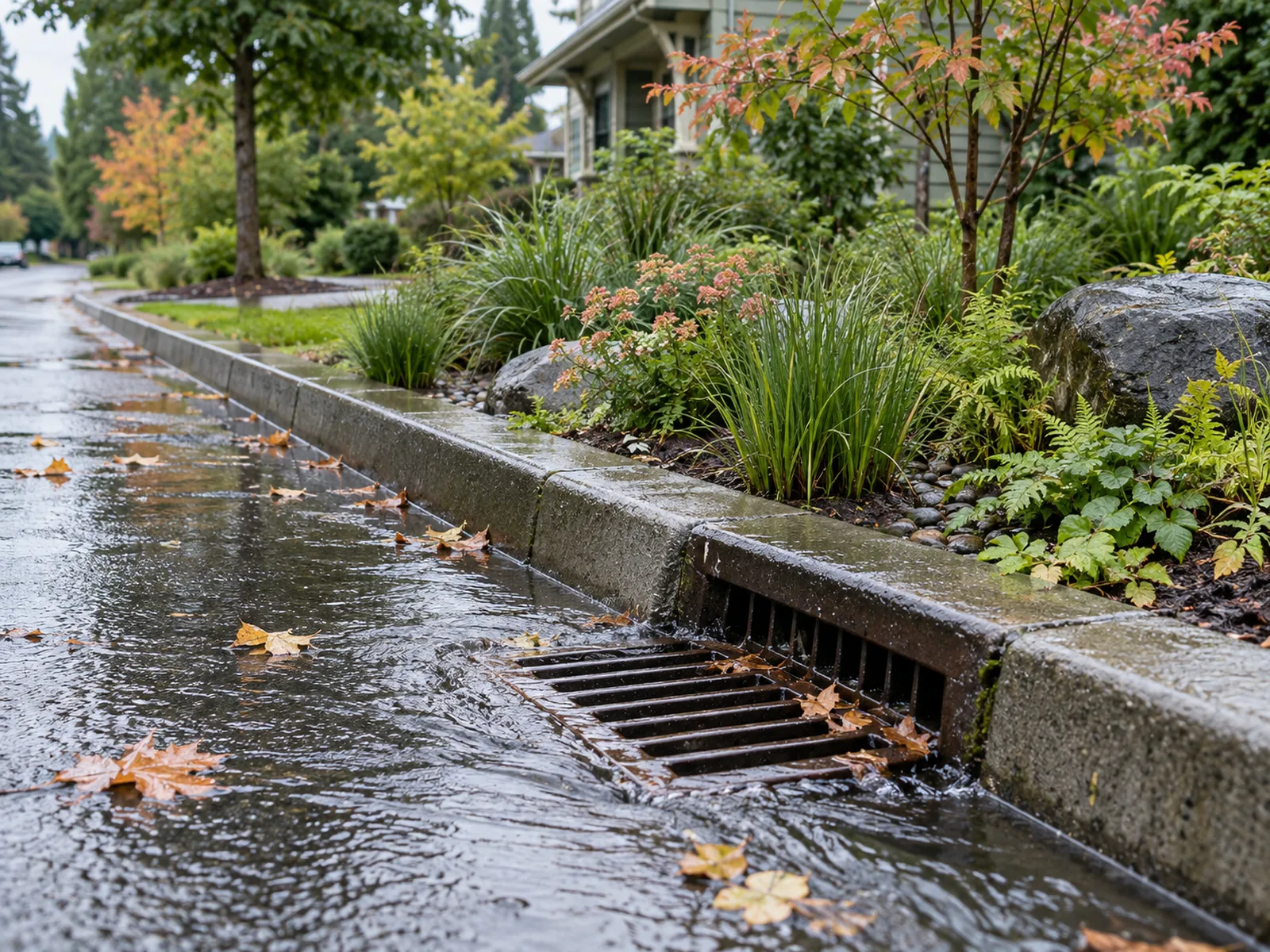
Standing water after rain, blocked grates, and slow private runoff need an outdoor description. Name the collection point and expected path.

Storm drain and runoff collection context for a Bellevue property
Describe the visible feature before assuming a cause or method.

When storm drain cleaning fits the situation

A storm drain cleaning request often starts with private storm drains, inlets, grates, channels, or runoff features. Rain, leaves, sediment, surface flow, and responsibility matter.

Benefits of a precise storm drain cleaning request

  • Trace collection to outlet
  • separate weather timing from cause
  • identify private, shared, or public-right-of-way context.

What can be lost by waiting or guessing

A wrong responsibility assumption can delay the right conversation, while ponding can obscure the collection or outlet point. Never enter a basin or lift an unsafe cover.

What to have ready before contact

  • Name grate, inlet, channel, basin, or low area
  • include rain, runoff, debris, boundary, cover, and safe access.
Service process

Storm drain cleaning process by intent

The storm drain cleaning path stays anchored to the visible feature, symptom pattern, and safe access available.

01

Find the collection point

Record this step with the observed symptom, timing, and access context.

02

Describe weather and debris

Record this step with the observed symptom, timing, and access context.

03

Confirm the boundary safely.

Record this step with the observed symptom, timing, and access context.

Questions before the request

Questions about storm drain cleaning.

Is every storm drain a private request?

No. Identify feature and boundary.

What if it pools only after heavy rain?

Include timing and intensity.

What if the feature is near a public street?

Include the street or right-of-way context and confirm responsibility before assuming a private request.

What if water appears only after heavy rain?

Record rainfall timing, intensity, collection point, and expected outlet.

Can I enter a catch basin to inspect it?

No. Do not enter a basin or lift an unsafe cover; describe what is visible from a safe position.

Before you contact

What changes the storm-drain service question?

Outdoor drainage needs a map of collection, surface flow, and outlet. Rain intensity, leaves, sediment, irrigation, dry-weather water, and property boundaries should not be collapsed into one generic clog description.

Details that change the scope

  • Collection: grate, inlet, basin, channel, or low area.
  • Timing: rain intensity, irrigation, dry weather, and recurrence.
  • Responsibility: private property, shared area, street, or public right of way.

Storm-drain boundary: Describe what is observed, what is unknown, and what access is safe. Do not promise a method or outcome from the symptom alone.

Bellevue service request

Describe the runoff

Seeing runoff or standing water? Share the collection point, weather pattern, expected outlet, and property boundary.

Start a request
Bellevue location context

Bellevue storm-drain service context

The map provides Bellevue contact context, not a public-maintenance determination. Confirm the feature, exact address, boundary, and safe access.

Address on file1633 151st Ave SE
Bellevue, WA 98007
Phone on file(425) 380-0451
Confirm the service path